The Silent Architecture of Kyoto's Secret Teahouses
By Editorial Correspondent in Kansai • 111111
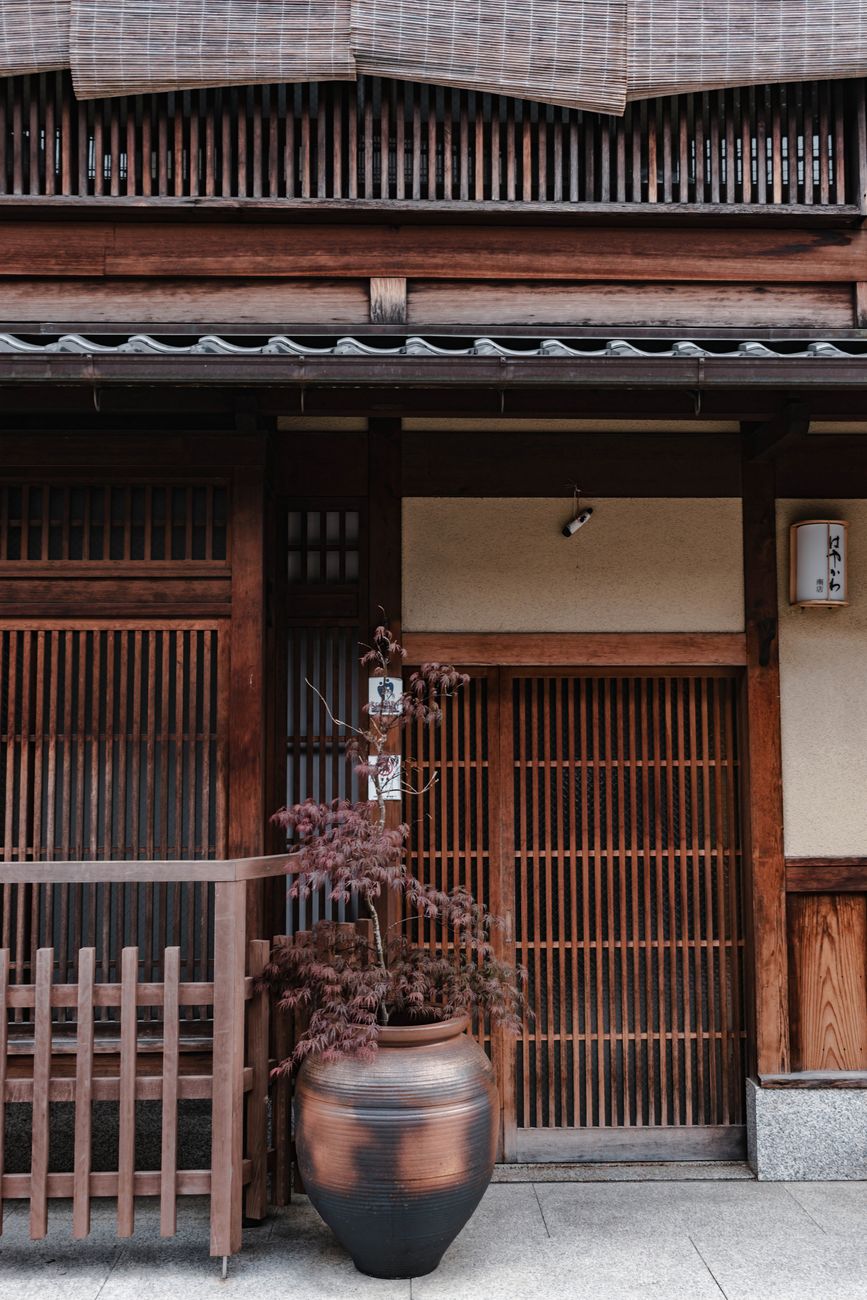
At dawn in the Higashiyama district, before tourist buses hum through the arterial avenues, Kyoto exhales. The cobblestones still glisten with mist, and behind dark slats of aged cedar, faint charcoal fires are being stoked inside private machiya dwellings.
Shadow and Light in Cedar
As Jun'ichirō Tanizaki famously observed in In Praise of Shadows, Japanese aesthetic consciousness thrives not in dazzling illumination, but in subtle gradations of gloom. The teahouses tucked behind Kennin-ji temple do not rely on chandeliers or grand stone archways. Instead, their brilliance resides in paper shoji screens that soften direct sunlight into a warm, meditative glow.
In our conversations with master carpenter Kenjiro Takahashi, whose family has restored traditional timber buildings for four generations, he notes that every beam is joined without a single steel fastener: "The wood must breathe with the Kansai seasons. In humid July it expands; in dry January it contracts. To build rigid is to oppose nature."
"To sit in a three-mat room while rain strikes bamboo leaves outside is to understand that architecture is merely a frame for listening."
The Intimacy of Chashitsu
The tea chamber, or chashitsu, is deliberately diminutive. Its tiny crawling entrance (nijiriguchi) forces every guest, regardless of status or wealth, to bend low, shed their ego, and leave the outside hierarchy behind.
Inside, silence reigns except for the hiss of boiling well water in the cast-iron kettle—a sound the masters liken to matsukaze, the whistling of wind through mountain pines. Here, time is measured not by watches or digital screens, but by the slow rotation of the raku tea bowl in one's palms.
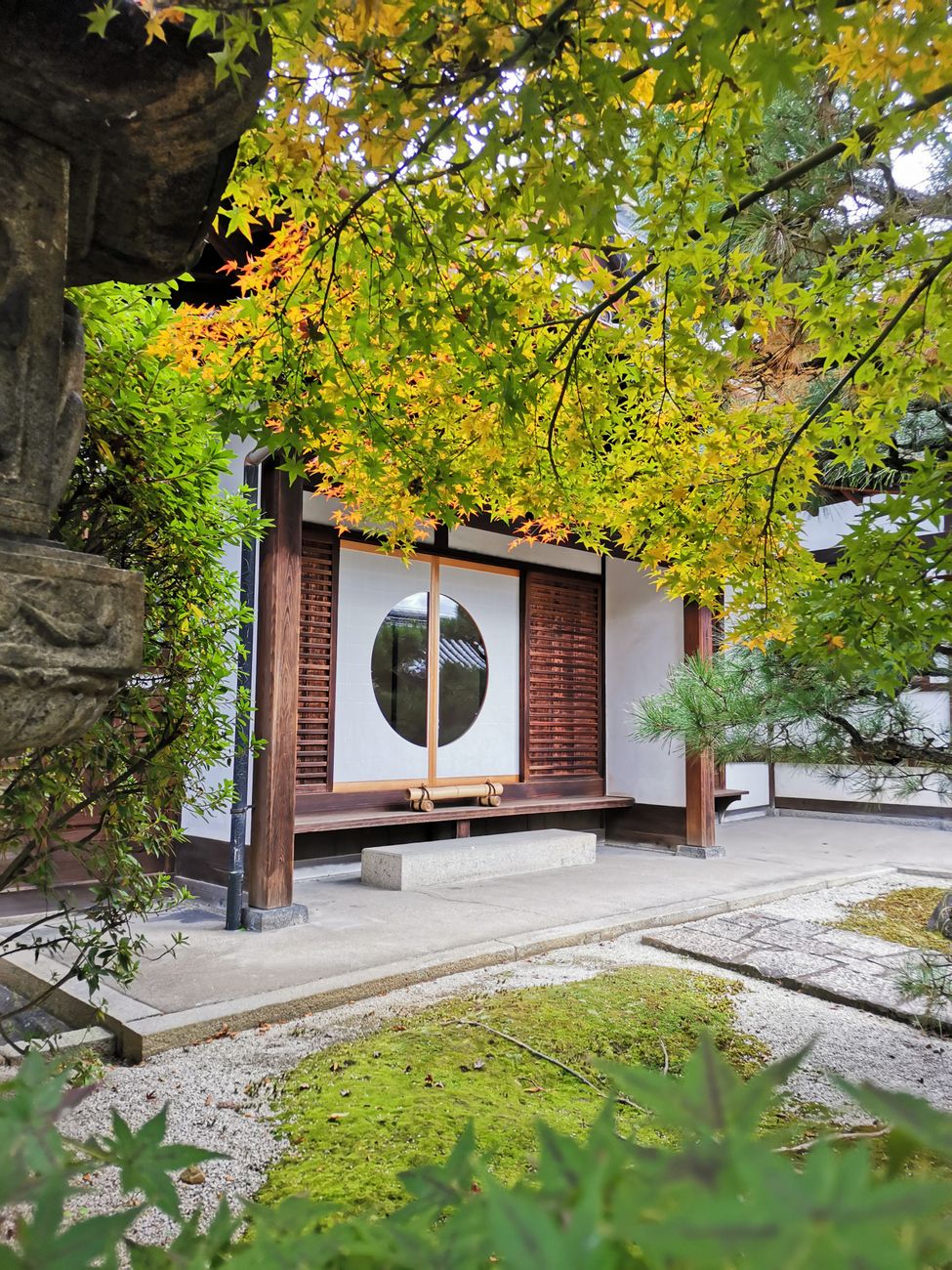
A private moss enclosure designed during the late Edo period, preserved in north Kyoto.
The Seasonality of Solitude
Modern travel often fixates on the spring cherry blossoms or fiery November maples. Yet the true connoisseur visits Kyoto in late February, when the plum blossoms begin their subtle fragrance and morning frost covers the slate roofs.
At this hour, you can stroll through the bamboo groves of Saga-Toriimoto without encountering a soul, accompanied solely by the low chimes of mountain temple bells echoing across the Arashiyama ridges.
Curated Machiya Sanctuaries
For readers seeking this degree of contemplative seclusion, we recommend reserving historic townhouse residences managed by local preservation trusts rather than commercial western hotels. These properties reinvest 100% of their fees into the restoration of historic streetscapes.
Seek Further Field Notes
Receive our private dossier on secret Kansai craftsmen and reservation protocols.