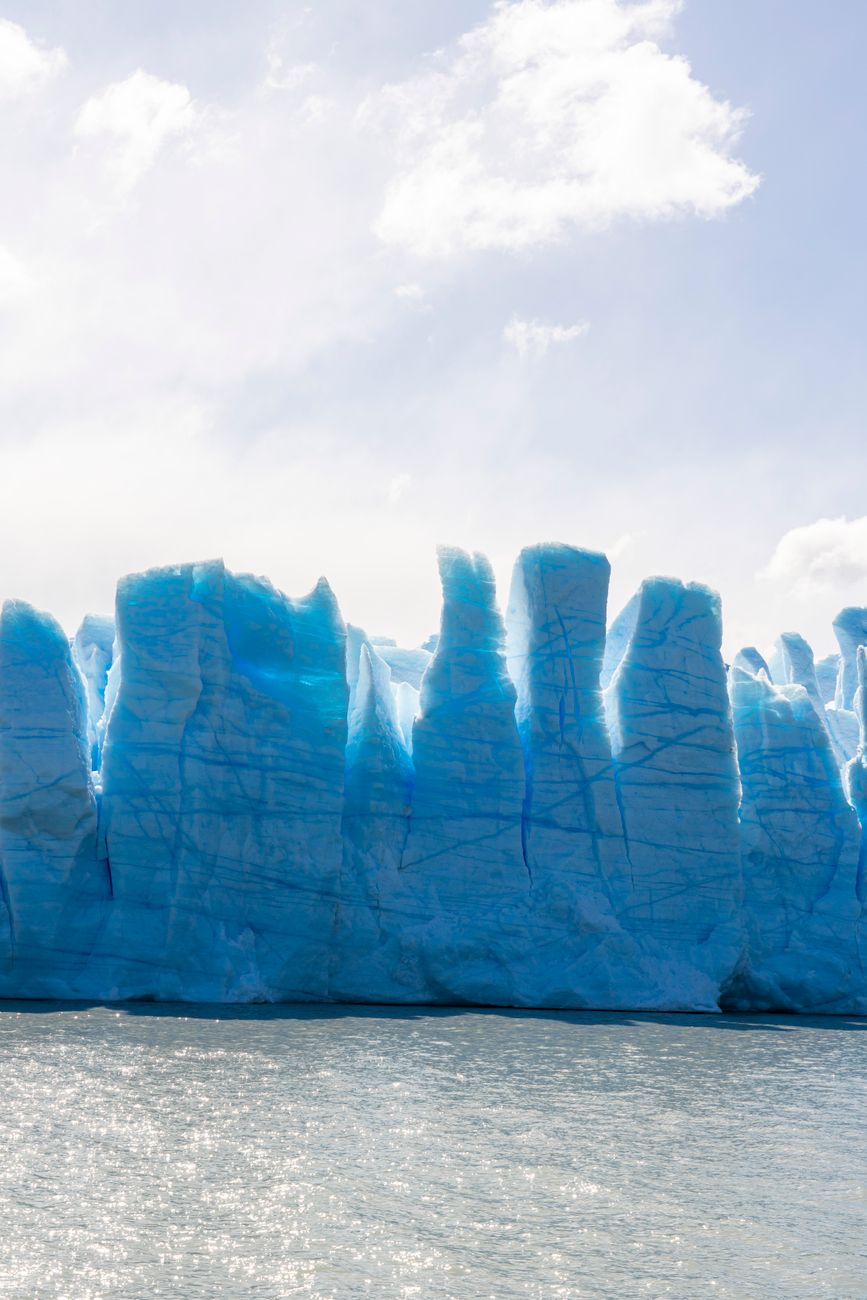
Listening to Glacial Calving at the Edge of the Southern World
By South America Desk • 111111
There are few places remaining on Earth where the planet still sounds like it did ten thousand years ago. In the southern fjords of Chile, beyond the reach of roads, cellphone towers, and human habitation, the soundscape is dominated solely by wind, water, and the primeval groaning of ancient ice.
The Roaring Fifties
Here in the Bernardo O'Higgins National Park, the Southern Patagonian Ice Field descends directly into deep maritime channels. It is the third-largest expanse of continental ice in the world, surpassed only by Antarctica and Greenland.
Navigating these waters aboard a small, quiet exploratory vessel with our expedition captain, one feels like an infinitesimal speck against colossal granite headlands scraped raw by millennia of glacial friction.
"The ice is not dead mineral; it flows, responds to pressure, and releases air trapped during the dawn of civilization."
Ice as Living Sculpture
The icebergs drifting past the vessel display shades of electric sapphire, cobalt, and milky jade that defy painterly palettes. These hues are the result of extreme compression: under billions of tons of weight, every microscopic air pocket is squeezed out, allowing the ice crystal structure to absorb longer wavelengths of light and reflect back deep blue.
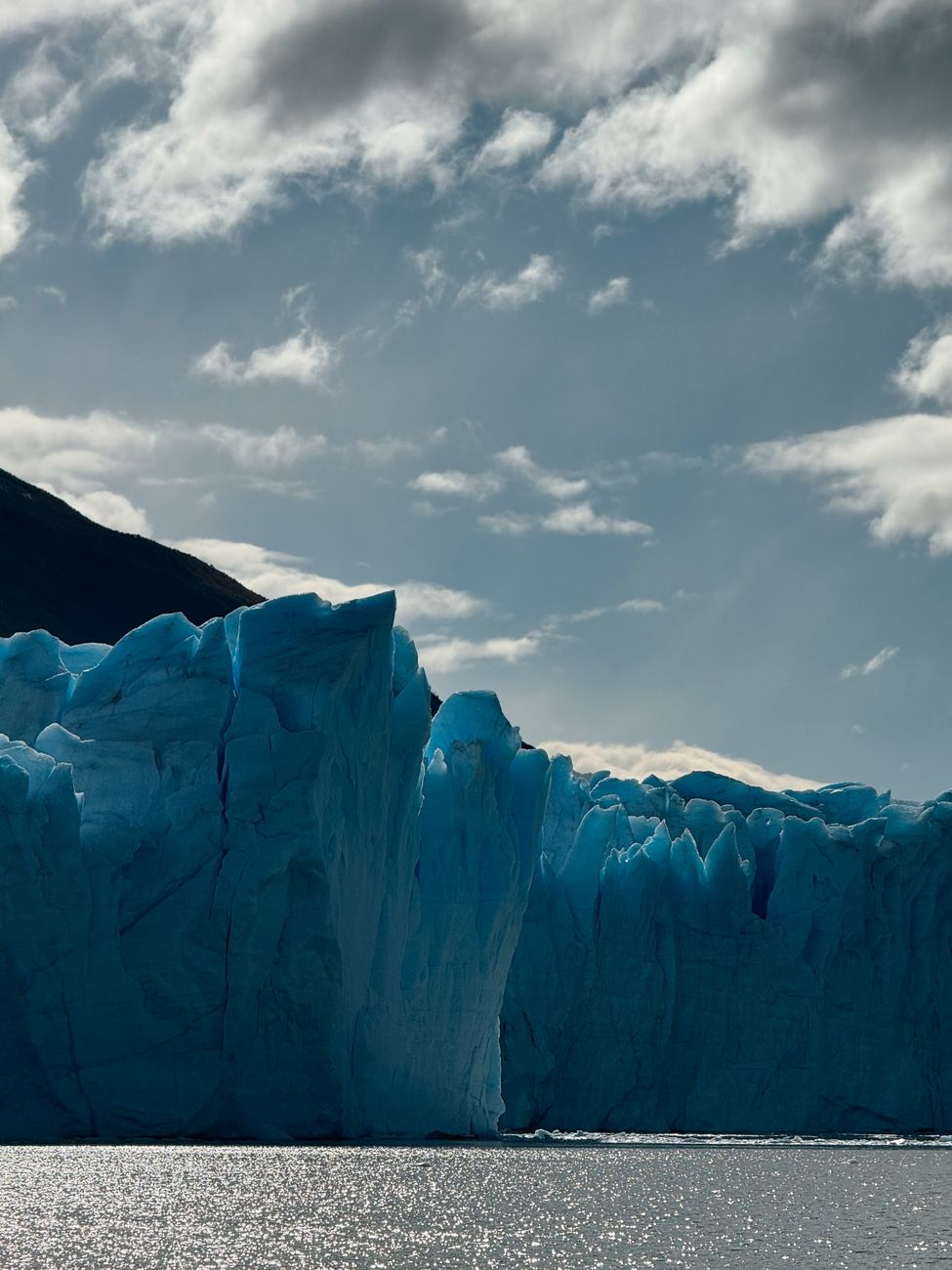
Glacial floe in the Eyre Fjord, mirrored in still waters during a rare wind lull.
The Acoustic Thunder
When a ten-story section of the glacier face calves into the fjord, the event unfolds in surreal slow motion. First comes a rifle-shot crack echoing off the granite cliffs, followed seconds later by a deep, visceral boom that vibrates in the chest like an organ pipe.
A moment later, a massive displacement wave surges across the fjord, lifting floating kelp forests and sending rafts of South American sea lions scattering into the swells.
Inquire Regarding Chilean Expeditions
Access vetted vessel charters and certified naturalists specializing in Patagonia.