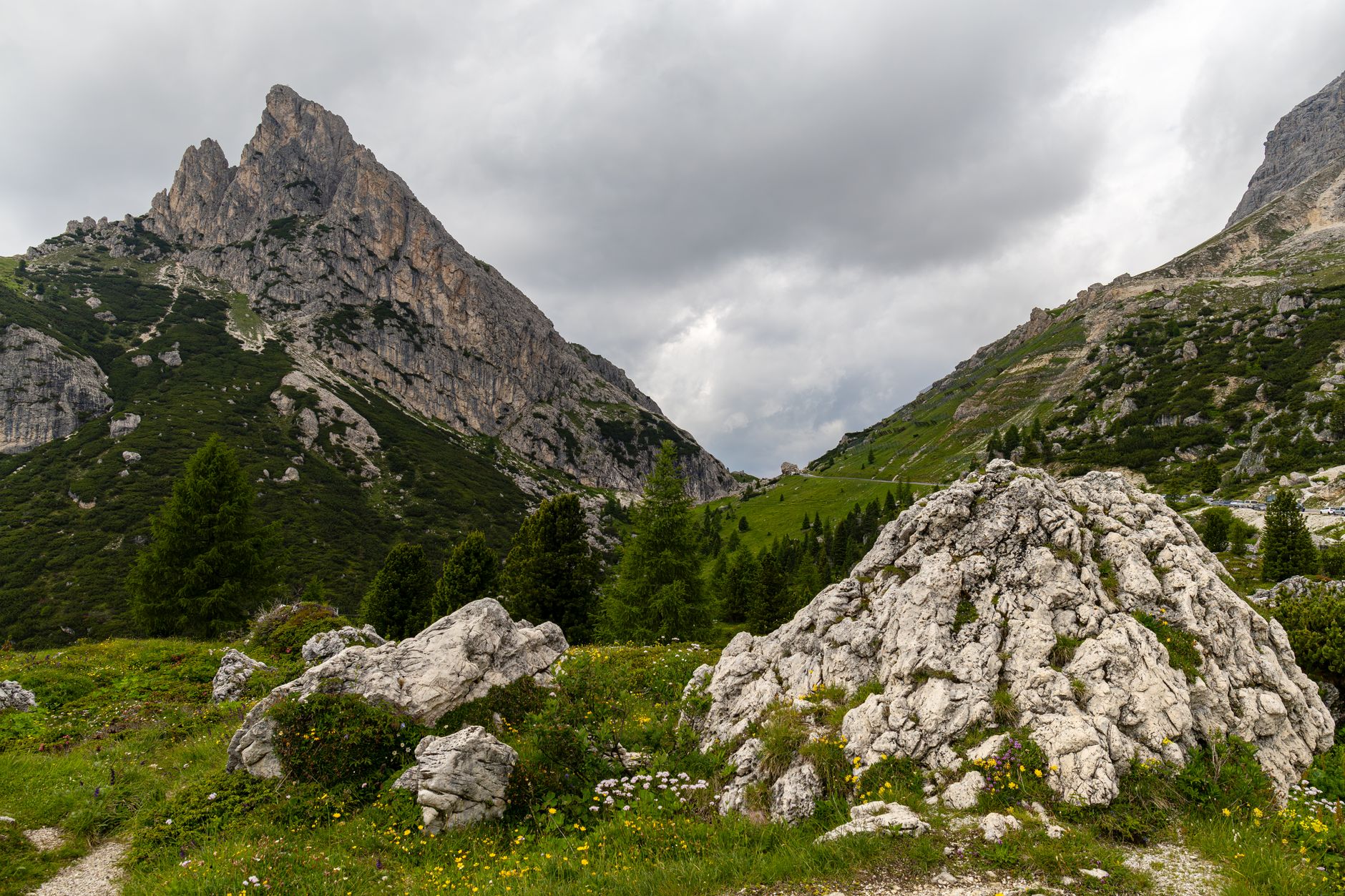
Ascending the High Limestone Trails of South Tyrol
By Alpine Bureau • 111111
When late afternoon sun strikes the jagged limestone faces of the Rosengarten, the pale grey stone catches fire in a phenomenon the Ladin-speaking locals call Enrosadira. It is a spectacle of amber, rose, and burnished copper that silences even the most seasoned mountain guide.
Coral Reefs in the Clouds
Two hundred and fifty million years ago, during the Triassic period, these towering monuments were not mountain peaks at all, but living coral reefs submerged in the warm Tethys Sea. Tectonic forces hoisted them three thousand meters skyward, leaving marine fossils embedded in sheer vertical walls.
Walking along the Alta Via 1 trail with local geologist and naturalist Mateo Huber, one is reminded of the fragile impermanence of rock: "The Dolomites speak to us of deep time. In their presence, our modern human anxieties shrink to their rightful proportion."
"To wake above the cloud layer at 2,400 meters, smelling fresh sourdough and pine resin, is an experience no metropolitan hotel can match."
The Evolution of the Rifugio
The traditional mountain hut (rifugio) in South Tyrol has undergone a quiet renaissance. While preserving its historic role as an emergency shelter for alpinists, a new generation of host families has infused these high-altitude refuges with understated architectural refinement and Michelin-level gastronomic standards.
Here, instead of canned rations, weary hikers are greeted with wild mountain herb gnocchi, speck cured in larch smoke, and glass carafes of crisp Kerner wine chilled directly in glacier-fed springs.
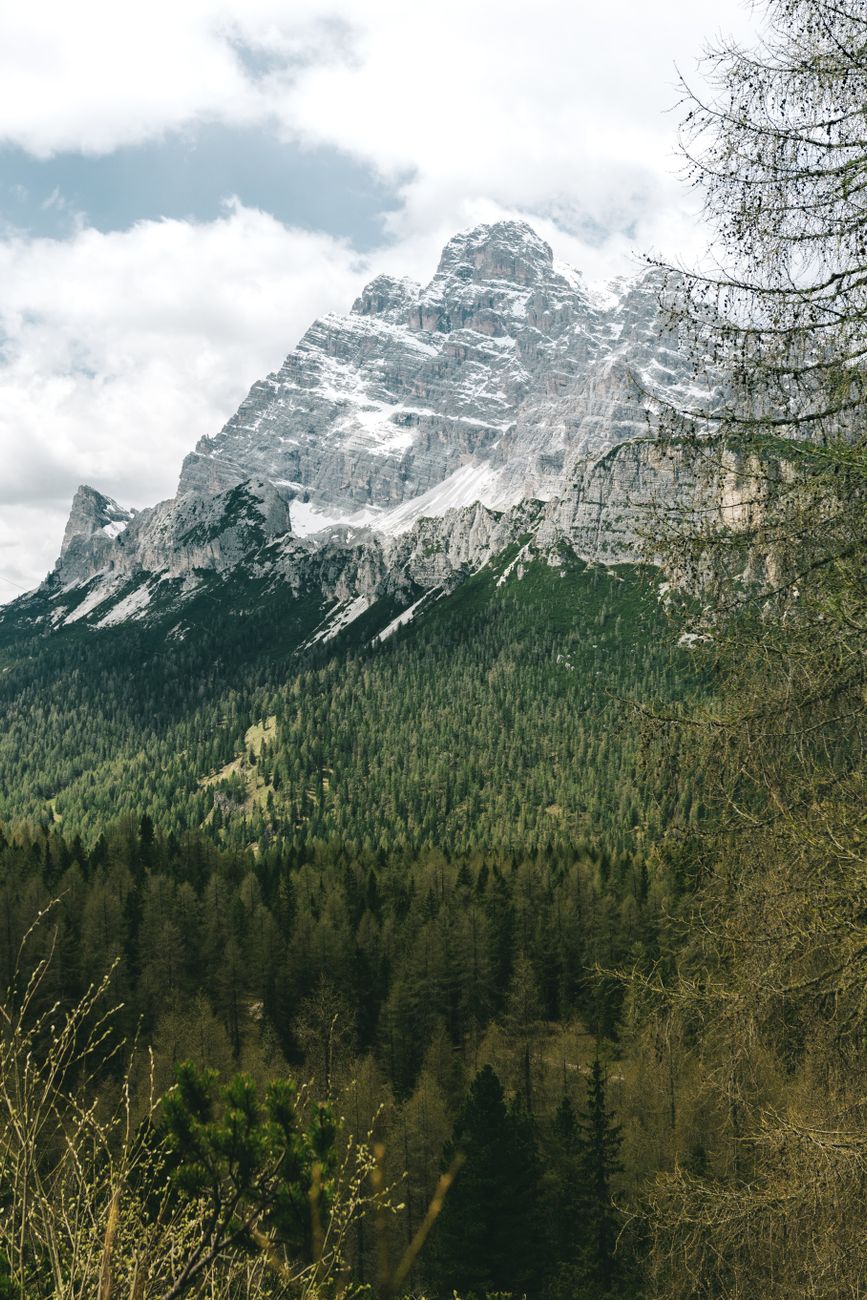
The morning ascent near Seceda ridge, framed by alpine wildflowers and silent scree.
High Altitude Terroir
In the valleys below—such as the Eisacktal (Valle Isarco)—steep vineyard terraces cling to the slopes at extraordinary angles. The intense temperature variance between alpine night breezes and warm Mediterranean daytime currents produces wines of remarkable minerality, acidity, and aromatic complexity.
Route Preparation
We advise undertaking the higher passes between mid-September and early October, when the summer family crowds have dissipated, the larch trees turn brilliant golden yellow, and the mountain air achieves razor-sharp clarity.
Request the South Tyrol Field Guide
Detailed GPX trail tracks, vetted family refuges, and valley winery recommendations.